

Kinder Therapy for Teachers & Schools
Children spend a large portion of their lives at school, making school and classroom relationships an integral part of emotional regulation, confidence, and learning. Schools and teachers are balancing academic expectations with growing emotional and behavioral needs of students, and, many classroom struggles are actually regulation challenges. Many educators find themselves responding to anxiety, dysregulation, peer conflict, and behavioral outbursts without training focused on emotional regulation in classroom settings.
Teachers, administrators, and school staff can have an extraordinary impact on children’s lives. So much so, that when adults reflect on what helped them remain resilient through difficult circumstances, they often describe one adult who made a difference—and very often, that adult was a teacher.
Many classroom challenges are not discipline problems — they are regulation challenges. When adults respond in ways that help students feel understood and supported, children are better able to calm their emotions, stay engaged, and participate in the learning environment.
Supporting Student Regulation, Classroom Stability, and Teacher Confidence
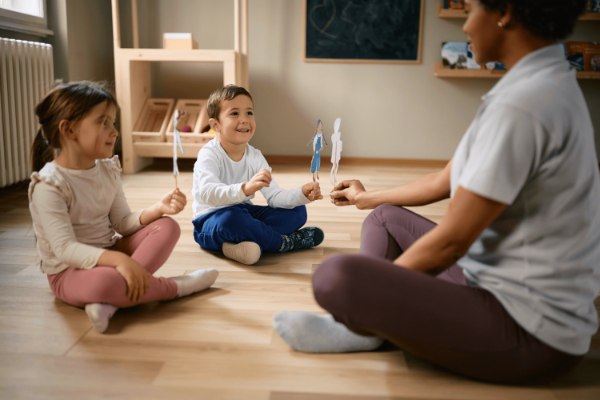
As a family therapist, my work focuses on building on and strengthening the relationships around children.
When adults and teachers respond with clarity, structure, and understanding, children are better able to calm their emotions and return to learning. Kinder Therapy brings this work into schools, helping educators and administrators respond to emotional and behavioral challenges in ways that support connection, improve emotional regulation, and support classroom stability and learning.
Teachers, school counselors, and administrators are welcome to reach out to explore whether Kinder Therapy consultation or training may support their classrooms or school community.
Support for Teachers and Schools
Teachers often reach out when students struggle with:
• emotional outbursts or shutdown
• anxiety or overwhelm in the classroom
• difficulty with transitions or routine changes
• escalating behavioral challenges
• peer conflict or social difficulties
• withdrawal or disengagement
• family stress such as divorce or major life changes
Common Classroom Situations Kinder Therapy Supports
Support May Include:
• consultation around specific classroom challenges or specific students in need
•classroom strategies for responding to emotional or behavioral moments
• relationship-based approaches that support student regulation and engagement
• professional development for teachers or school teams
• consultation about specific students
Types of Support:
The goal is to provide practical tools that help educators navigate challenging moments while keeping classrooms calm and focused on learning. Workshops focused on emotional regulation and relationship-based responses.
Teacher or Staff Trainings
Kinder Therapy complements the Filial Therapy Parenting Series, where parents learn many of the same relationship-based approaches used in child and family therapy.